
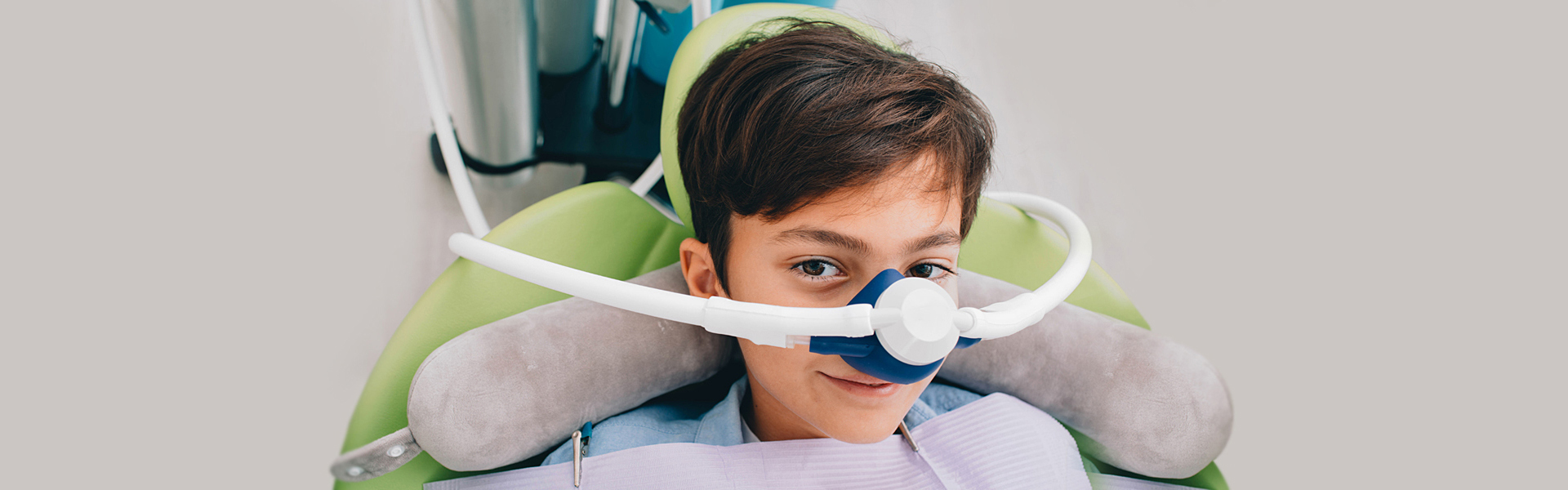
Sedation Dentistry for Kids: Is It Safe and When Is It Needed?
May 1, 2026Sedation can help children receive dental care in a calm, controlled, and supportive setting. For many parents, it raises two important questions: is it safe, and when is it truly needed? Those concerns are valid. Any treatment involving a child should be approached with care, clear communication, and sound clinical judgment.
In pediatric dentistry, sedation is not used casually. It may be considered when a child’s anxiety, age, medical needs, or treatment plan makes routine care difficult. This is where sedation dentistry for kids in Houston, TX, becomes an important option for families seeking a more comfortable experience. The purpose is not to rush treatment. The purpose is to help a child stay comfortable while the dental team provides safe, necessary care.
What Is Sedation Dentistry for Kids?
Sedation dentistry involves the use of carefully selected medication to help children feel calm and relaxed during dental care. Depending on the type used, sedation may ease fear, reduce movement, and make longer or more involved procedures easier to complete.
Common pediatric sedation options may include:
- Nitrous oxide, often called laughing gas
- Oral conscious sedation
- Deeper sedation in carefully selected cases
The level of sedation depends on the child’s health history, age, behavior, and dental needs. Some children remain awake and responsive while feeling more relaxed. Other children may need deeper sedation for care that would otherwise be hard to complete safely.
A qualified pediatric dentist near you can explain which sedation option fits your child’s needs and why it may be recommended.
Is Sedation Dentistry Safe for Children?
When provided by trained pediatric dental professionals using proper screening and monitoring, sedation dentistry is generally considered safe for children. Safety begins well before the appointment starts. A child’s medical history, medications, developmental needs, and treatment plan are reviewed in advance to determine whether sedation is appropriate.
During treatment, the dental team follows established safety protocols and monitors the child closely. That may include tracking breathing, heart rate, oxygen levels, and overall responsiveness throughout the visit.
Parents should also know that sedation is never one-size-fits-all. A thoughtful provider will recommend it only when the benefits clearly support the child’s comfort, cooperation, and treatment needs. That is why many families look for a sedation dentist near you with pediatric experience and a clear, parent-friendly approach.
When Is Sedation Dentistry Needed?
Sedation is not necessary for every child or every procedure. Many children do well with gentle guidance, clear communication, and a supportive office environment. Still, there are times when sedation can be clinically helpful.
It may be recommended when:
- A child has significant dental anxiety or fear
- A child is very young and cannot sit still long enough for treatment
- Extensive dental work is needed in one visit
- A child has special healthcare needs or sensory challenges
- A strong gag reflex makes treatment difficult
- Previous attempts at care were unsuccessful without added support
In these situations, sedation can help protect the child’s comfort while allowing care to be completed more smoothly and safely. It may also reduce the emotional stress that can come with repeated or difficult dental visits.
What to Expect During a Sedation Appointment
Parents often feel more confident when they know what the process looks like. While details vary by sedation type, most visits follow a similar pattern.
Before the Appointment
The dental team will review your child’s health history and explain the sedation plan. You may receive instructions about eating, drinking, and medications before the visit. These directions are important and should be followed closely.
During the Appointment
Your child will receive the planned sedation method in a controlled setting. The team will monitor your child throughout the visit and adjust care as needed. The goal is to keep your child comfortable while allowing treatment to proceed safely and efficiently.
After the Appointment
Some children feel sleepy or mildly groggy afterward. Recovery instructions are usually simple and may include rest, fluids, and observation at home. The dental team will tell you what to expect and when normal activity can resume.
A trusted children’s dentist near you should welcome questions and help parents feel informed at every stage.
How to Choose the Right Pediatric Sedation Provider
Choosing the right provider matters. Parents should look for a pediatric dental office that combines clinical training with a calm, child-focused approach.
Here are a few things to look for:
- Pediatric-specific experience with sedation
- Careful review of medical history before treatment
- Clear pre- and post-appointment instructions
- Appropriate monitoring during the procedure
- A supportive environment designed for children
- Willingness to explain benefits, limits, and safety measures
It also helps when the provider takes time to explain alternative approaches. In some cases, sedation is the best option. In others, behavior guidance and shorter visits may work well. A good recommendation should be based on the child’s individual needs, not a routine formula.
Why Families Trust Pediatric Sedation Care
Many families feel more confident when care is well organized, clearly explained, and centered on the child’s well-being. Sedation dentistry can support that experience when it is used thoughtfully. It may reduce distress, help treatment move forward without repeated interruptions, and create a more manageable visit for both the child and parent.
Just as important, a positive sedation experience can support a child’s long-term comfort with dental care. When fear is reduced and treatment is completed in a calm way, children may feel more secure returning for future visits. That can support healthier habits and better oral care over time.
Frequently Asked Questions (FAQ)
Is sedation dentistry safe for most children?
Sedation can be safe for many children when the provider performs a full health review, selects the right method, and monitors the child carefully during treatment.
Will my child be asleep during sedation?
Not always. Some types of sedation help children relax while they remain awake. The level used depends on the child’s needs and the procedure being performed.
When do dentists usually recommend sedation?
It may be recommended for severe anxiety, young age, lengthy treatment, strong gag reflex, or special healthcare needs that make standard care difficult.
How should I prepare my child for the appointment?
Follow all instructions about food, drinks, and medications before the visit. It also helps to speak calmly and simply about the appointment without creating extra worry.
What happens after sedation?
Many children recover with mild drowsiness and need rest for a short period. Parents receive home care instructions based on the type of sedation used.
Final Thoughts
Sedation dentistry can be a safe and appropriate option when a child needs extra support during dental treatment. It is most helpful when recommended for a clear reason, planned carefully, and delivered by an experienced pediatric team. Parents should feel comfortable asking questions, understanding the process, and knowing how safety is handled from start to finish. Families looking for thoughtful pediatric sedation care often choose Urbach Pediatric Dentistry for a gentle, informed approach. Schedule a visit today to discuss your child’s comfort and care options with a pediatric dental team you can trust.